Revision Rhinoplasty by Type
Revision rhinoplasty diagnosed by failure type — implant problems, tip droop, contracture, deviation — each with its own correction strategy
Overview
A failed rhinoplasty fails for a reason, and revision only succeeds when that reason is diagnosed correctly. DU classifies revision cases by type — implant deviation or show-through, dropped or pinched tips, upturned contracted noses, persistent humps, infections — and applies the dedicated strategy each requires.
Dr. Oh has built much of his career on high-difficulty revision work; colleagues in the industry, including clinic managers and their families, have chosen him for their own revisions. Every revision begins with 3D CT to see exactly what the previous surgery left behind before a new plan is designed.
Why Revision Rhinoplasty by Type at DU
- Diagnosis-first: 3D CT maps exactly what the prior surgery left behind
- Type-specific strategies rather than one generic revision method
- Dr. Oh's recognized specialty — trusted by industry insiders for their own revisions
- SafeCore structural rebuild so this revision is the last one
Recommended for
- Implant visible, deviated, or moved after a previous surgery
- Tip that dropped, pinched, or lost definition over time
- Nose that became short or upturned (contracture) after surgery
- Dissatisfaction with shape, scarring, or breathing after rhinoplasty elsewhere
Your journey with DU
Send photos and your goals via WhatsApp — we reply with Dr. Oh's assessment.
On arrival, CT imaging and a one-on-one design consultation with Dr. Oh.
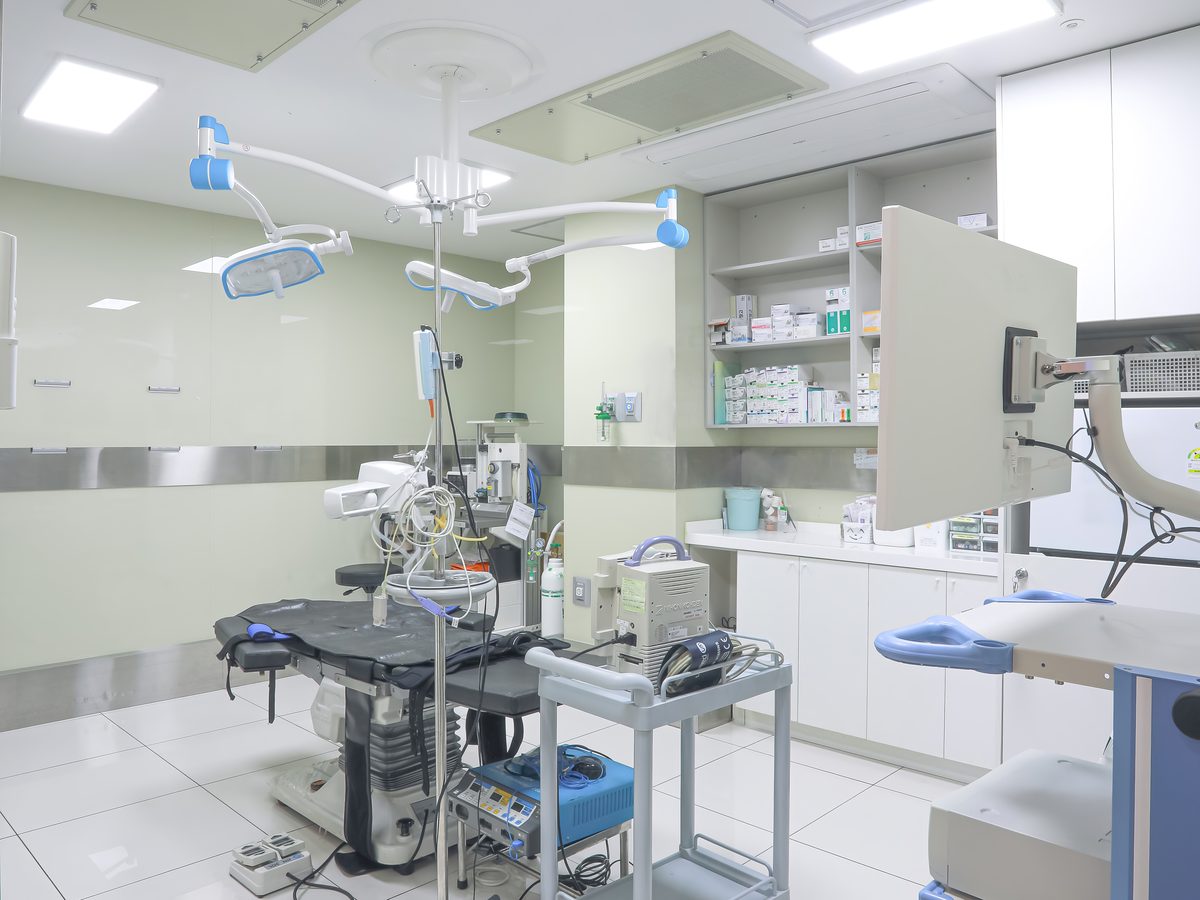
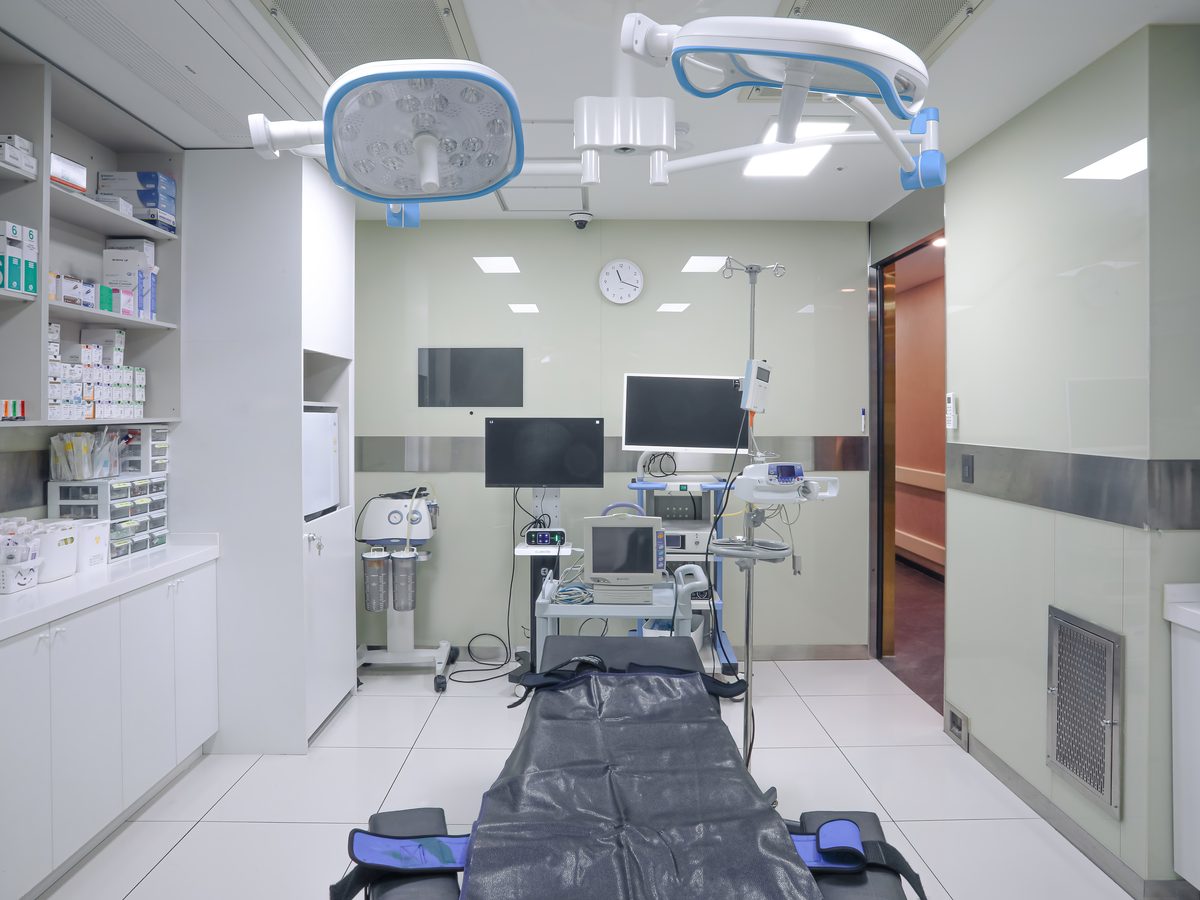
Performed personally by Dr. Oh with anesthesia monitoring throughout.
Dedicated recovery rooms, day-7 and day-14 follow-ups scheduled around your stay.
Remote follow-up on WhatsApp after you fly home.
Revision Rhinoplasty by Type — FAQ
How long should I wait after my first surgery?
Generally 6 months or more for tissues to soften, though urgent problems like infection or severe deviation are addressed sooner.
Is revision riskier than a first surgery?
It is more complex — scar tissue and altered anatomy demand experience — which is why revision cases concentrate with surgeons who specialize in them.
Will you use my existing implant?
Usually the old implant is removed and the structure rebuilt, often with your own cartilage, so the problem is corrected at its cause.
How many revisions are possible?
Each surgery consumes tissue, so DU's philosophy is to make this revision definitive — a structural rebuild rather than another patch.


Your last surgery, done right the first time
English consultation · 3D CT diagnosis · 1 minute from Yeoksam Station, Gangnam.