Custom Rhinoplasty by Nose Type
Type-by-type rhinoplasty design — hump, short, long, wide, deviated — each corrected with its own dedicated surgical plan
Overview
No two noses fail in the same way, so DU does not operate with one method. Custom Rhinoplasty by Type diagnoses which category your nose belongs to — hump nose, short nose, long nose, arrow (droopy) nose, wide nose, deviated nose — and applies the dedicated correction technique for that anatomy.
A hump is rasped or osteotomized depending on its size; a short nose is lengthened with septal extension; a deviated nose is straightened at both the bone and cartilage level. Diagnosis by 3D CT decides the plan, and Dr. Oh executes it with the same SafeCore structural principles used across all DU rhinoplasty.
Why Custom Rhinoplasty by Nose Type at DU
- Six nose types, six dedicated surgical approaches — not one method for everyone
- 3D CT diagnosis determines the true structural cause, not just the surface shape
- Bone and cartilage corrected together for deviated and hump noses
- Structural SafeCore reinforcement built into every type
Recommended for
- Visible hump on the bridge or a droopy 'arrow' tip
- Short or upturned nose showing too much nostril
- Long nose that overwhelms the mid-face
- Deviated nose affecting both appearance and breathing
Your journey with DU
Send photos and your goals via WhatsApp — we reply with Dr. Oh's assessment.
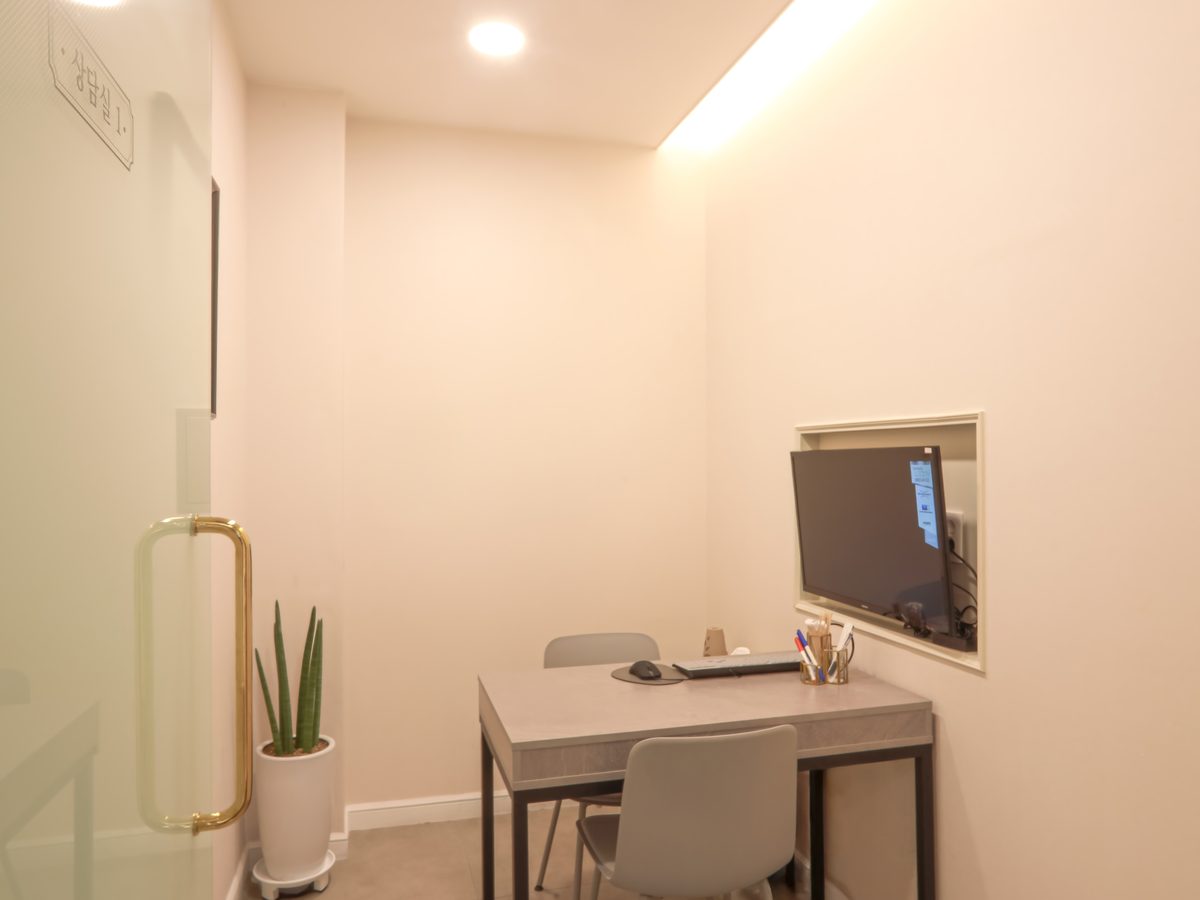
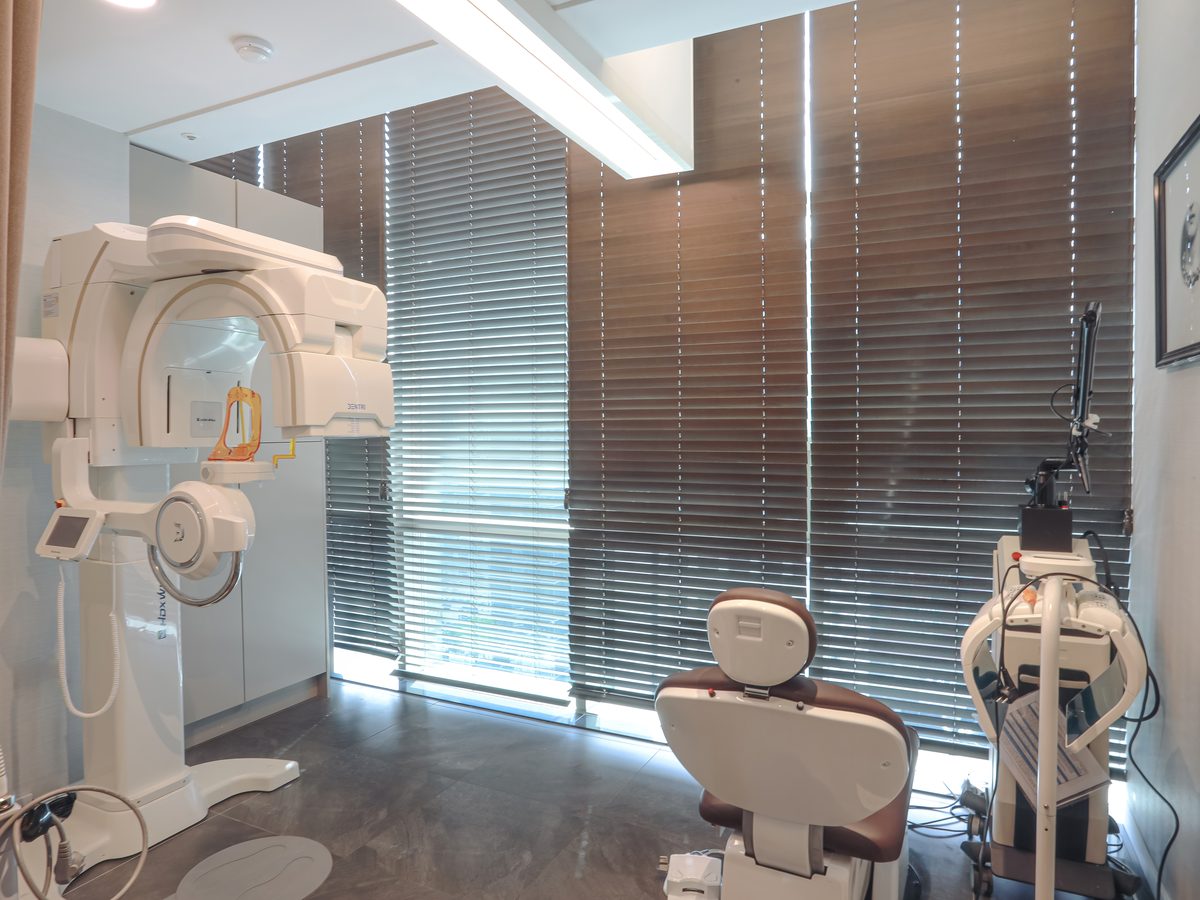
On arrival, CT imaging and a one-on-one design consultation with Dr. Oh.
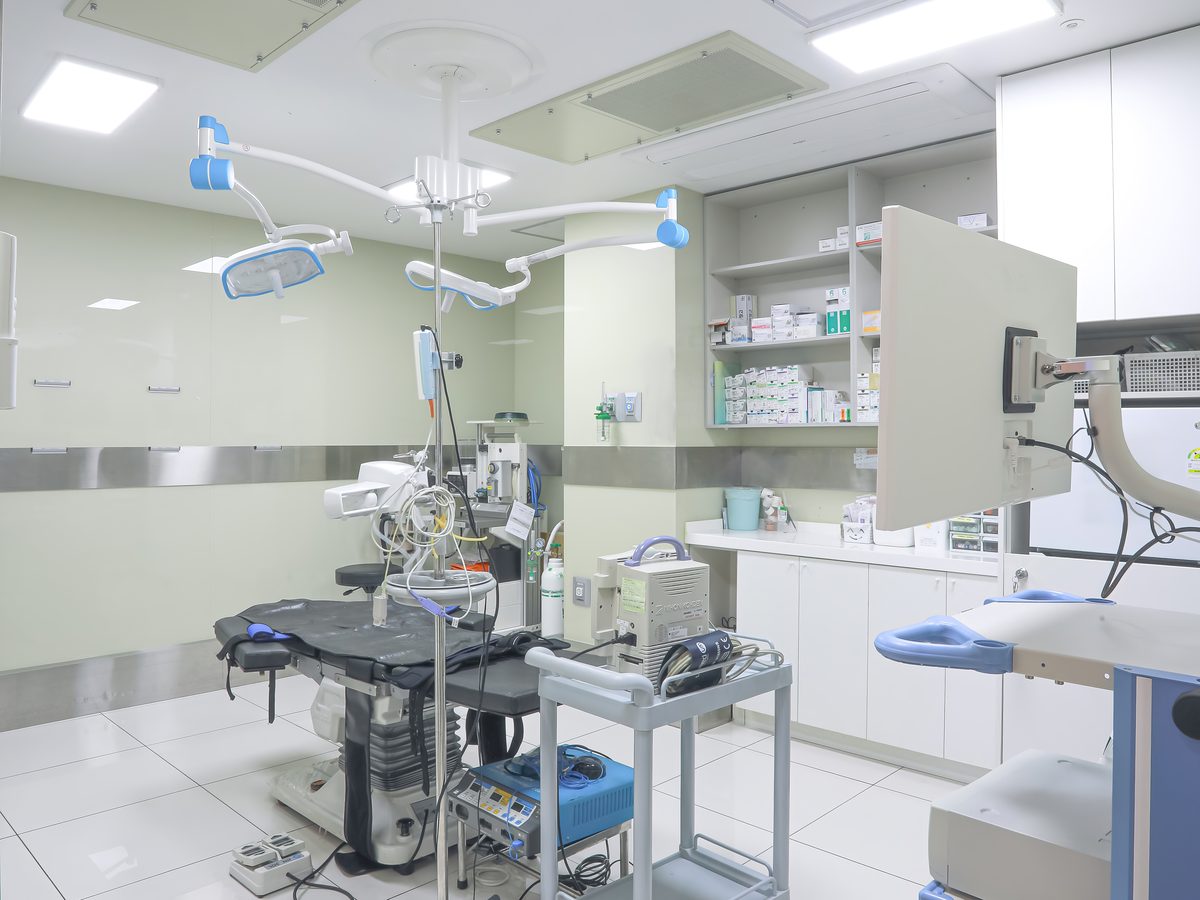
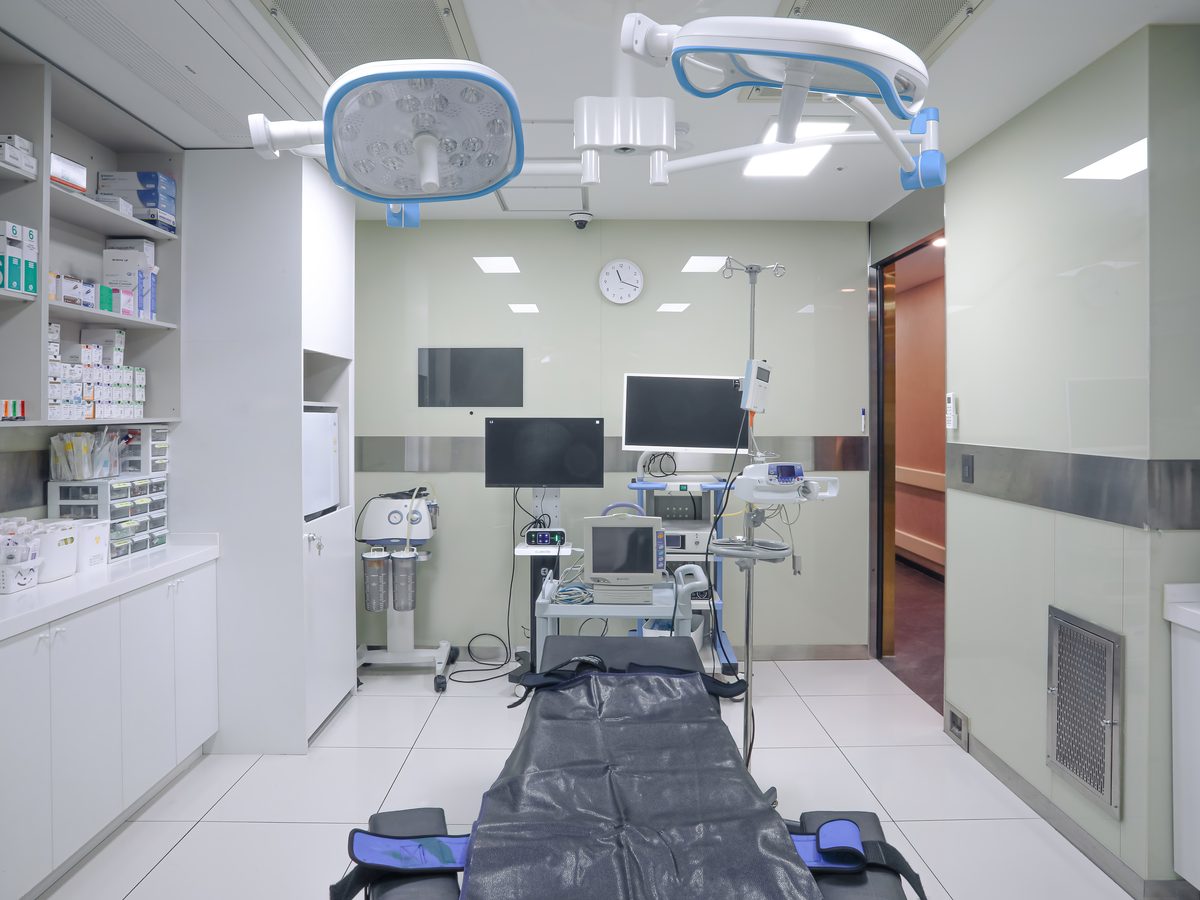
Performed personally by Dr. Oh with anesthesia monitoring throughout.
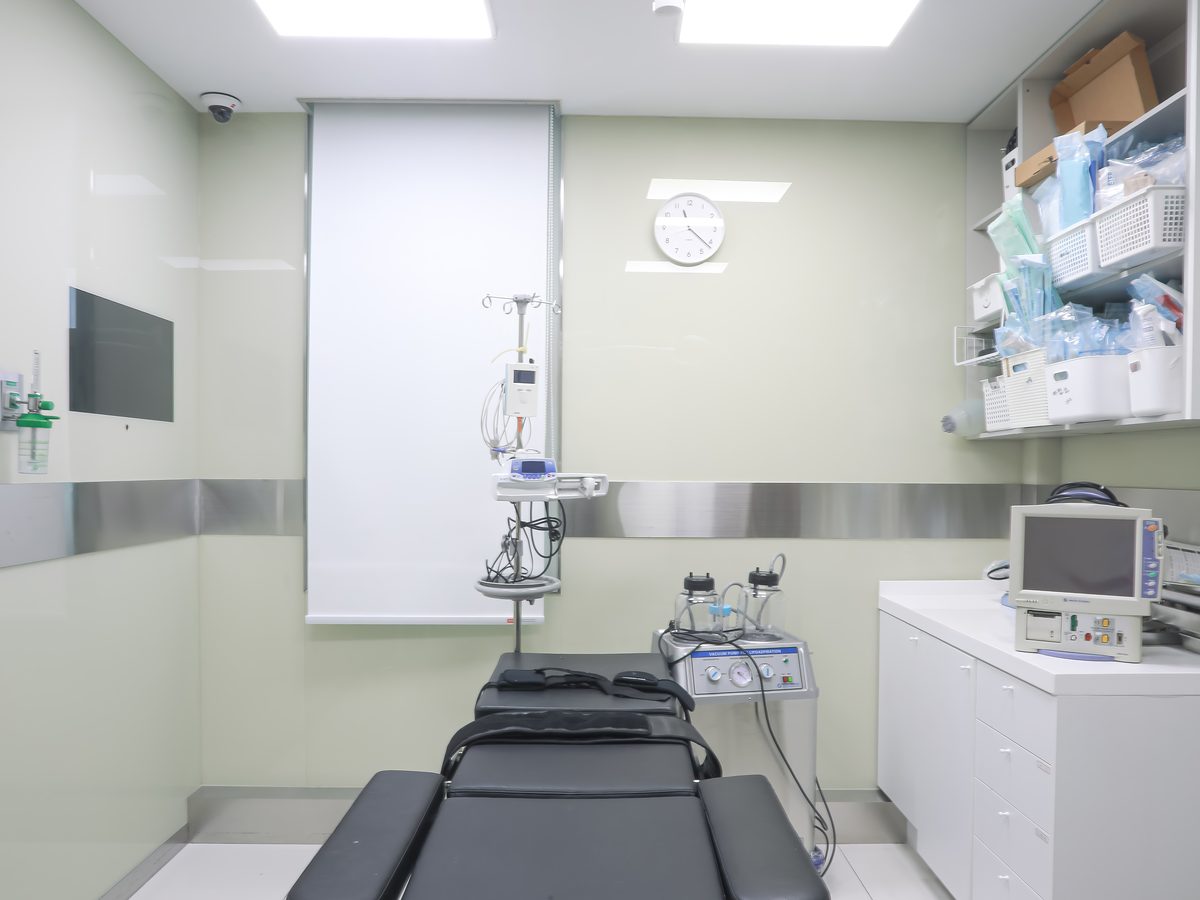
Dedicated recovery rooms, day-7 and day-14 follow-ups scheduled around your stay.
Remote follow-up on WhatsApp after you fly home.
Custom Rhinoplasty by Nose Type — FAQ
How do I know my nose type?
The 3D CT and photographic analysis at consultation classifies it precisely — many noses combine two types, and the plan addresses both.
Is a deviated nose purely cosmetic?
Often not — deviation frequently involves the septum and affects breathing, so correction can improve function as well as symmetry.
Does hump removal leave the bridge flat?
No. After the hump is lowered, the bridge line is rebuilt so the profile stays smooth and dimensional rather than scooped.
What anesthesia is used?
Sedation or general anesthesia depending on the extent, with the same day-7/day-14 stitch schedule as DU's other rhinoplasty.
Your last surgery, done right the first time
English consultation · 3D CT diagnosis · 1 minute from Yeoksam Station, Gangnam.