Ptosis Correction in Korea | Droopy Eyelid Surgery Seoul

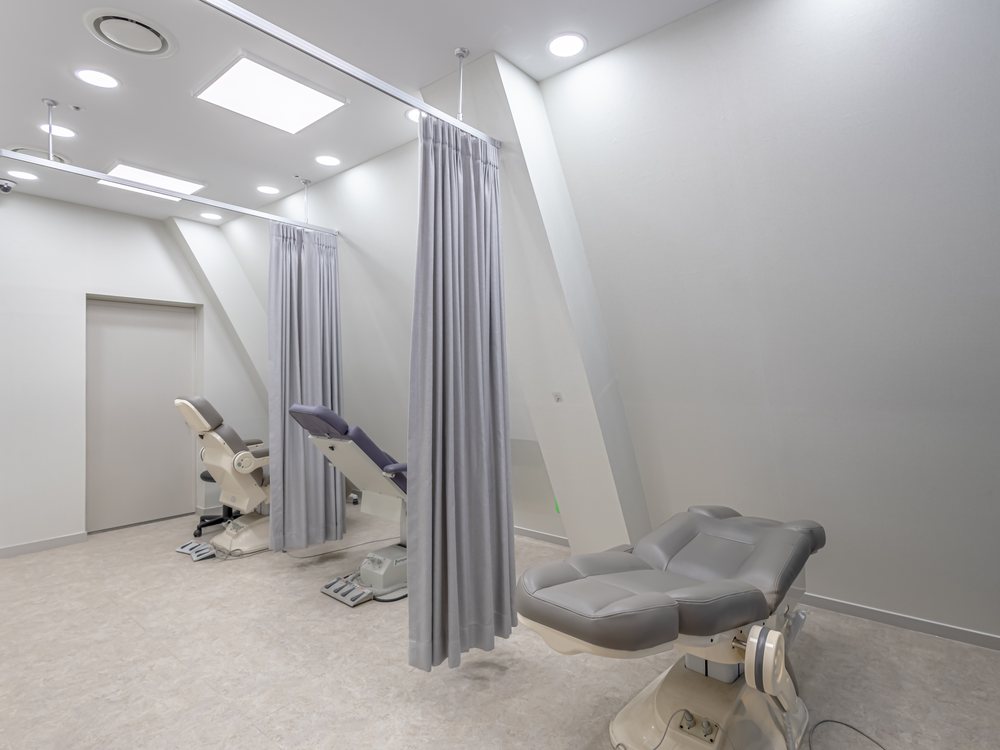
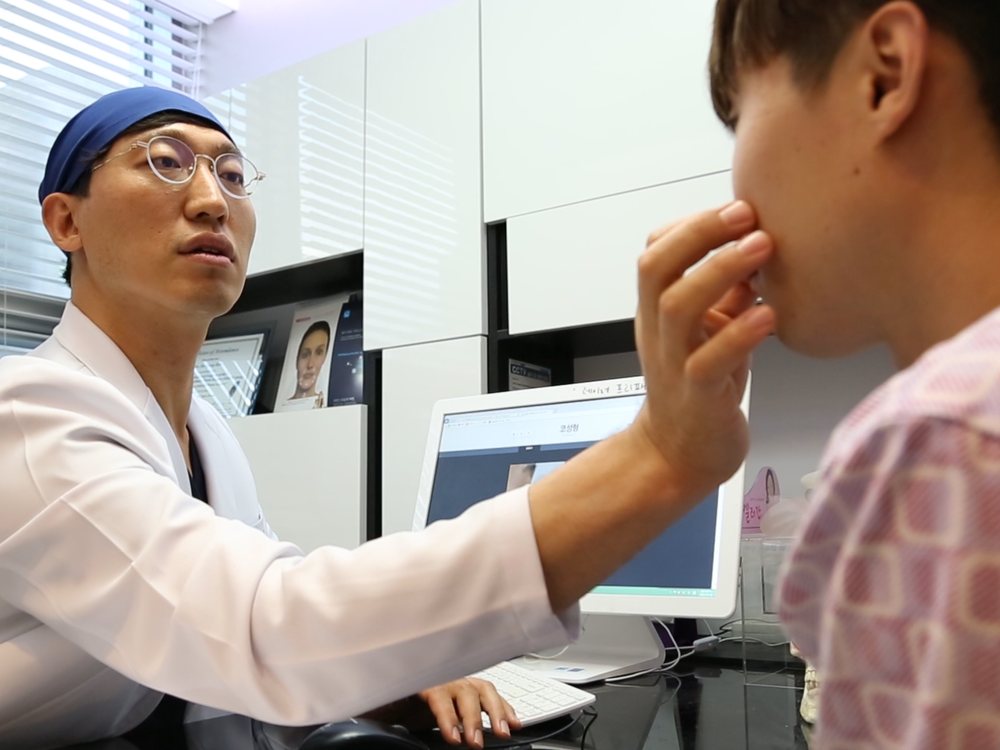
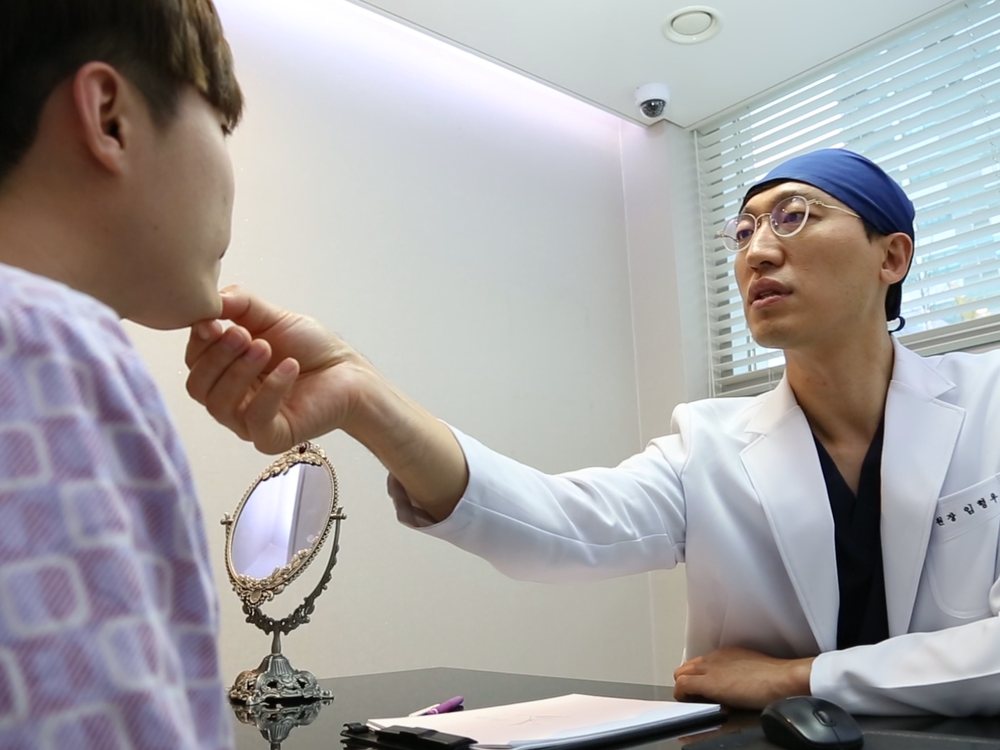
Korea is one of the best places in the world to get ptosis correction. Seoul’s eye surgery clinics combine advanced techniques, experienced surgeons, and affordable prices that attract patients from all over the globe. If drooping eyelids are affecting your vision or your confidence, Korea offers a reliable and cost-effective solution.

What is Ptosis Correction?

Ptosis (say: TOE-sis) is a condition where one or both upper eyelids droop lower than they should. This happens when the levator muscle — the muscle that lifts your eyelid — is weak or stretched. Ptosis correction is a surgical procedure that tightens or repositions this muscle so your eyelid sits at the right height.

  • Better vision: Severe ptosis can block your eyesight. Surgery removes this obstruction.
  • More alert appearance: Correcting the droop makes your eyes look open, youthful, and awake.
  • Long-lasting results: Most patients enjoy permanent improvement from a single procedure.

Types of Ptosis Correction Offered in Korea

Korean clinics offer several approaches depending on how severe your ptosis is and what other eye concerns you have.

  • Levator resection: The most common method. The surgeon shortens the levator muscle through a small incision in the eyelid crease. Best for moderate to severe ptosis.
  • Müller muscle resection: A technique done from inside the eyelid (no visible scar). Ideal for mild ptosis and patients who want minimal downtime.
  • Frontalis sling surgery: Used when the levator muscle is very weak or non-functional. A small sling connects the eyelid to the forehead muscle to help lift the lid.
  • Ptosis correction combined with double eyelid surgery: Very popular in Korea. Both procedures are performed together for a natural, balanced result — often at a lower combined cost.

Why Choose Korea for Ptosis Correction?

  • Specialized eye surgeons: Many Korean plastic surgeons focus exclusively on eye procedures and perform hundreds of ptosis corrections every year.
  • Advanced techniques: Korean clinics use precise, minimally invasive methods that reduce scarring and speed up recovery.
  • Competitive pricing: Ptosis correction in Korea costs significantly less than in the US, UK, or Australia — without any drop in quality.
  • Medical tourism support: Many clinics offer English-speaking coordinators, translation services, and help with travel arrangements.
  • Strong track record: Korea has strict medical standards and a well-established reputation for safe, high-quality cosmetic eye surgery.

Cost of Ptosis Correction in Korea

Prices vary based on the technique used, whether you combine it with other procedures, and the clinic’s location and reputation. Below are typical price ranges. Korean plasticsurgery korea in korea generally maintains transparent pricing structures similar to ptosis procedures, making cost comparisons straightforward for international patients.

  • Mild ptosis correction (Müller muscle method): ₩800,000 – ₩1,500,000 (approx. $600 – $1,100 USD)
  • Standard levator resection (one eye): ₩1,000,000 – ₩2,000,000 (approx. $750 – $1,500 USD)
  • Both eyes, levator resection: ₩1,800,000 – ₩3,500,000 (approx. $1,350 – $2,600 USD)
  • Ptosis correction + double eyelid surgery (both eyes): ₩2,500,000 – ₩5,000,000 (approx. $1,850 – $3,700 USD)

These prices usually include the surgeon’s fee, anesthesia, and follow-up visits. Always confirm what is included before booking.

What to Expect During and After

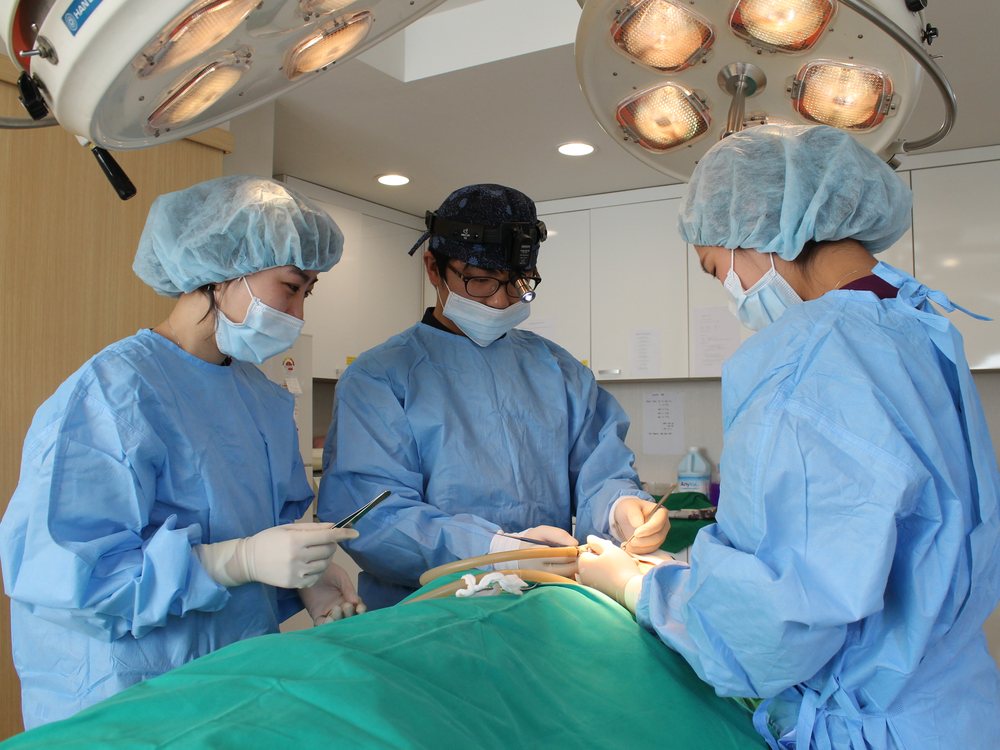
Ptosis correction is an outpatient procedure, meaning you go home the same day. The surgery takes between 30 minutes and 1.5 hours depending on the method. Local anesthesia is used in most cases, so you stay awake but feel no pain. Many patients also explore other facial aesthetic options while in Korea; for instance, those interested in contouring procedures might research korean vline korea techniques that reshape the lower face.

After surgery, expect some swelling and bruising around the eye. This is completely normal. Most patients see major swelling reduce within 1 to 2 weeks. You should avoid heavy exercise, rubbing your eyes, and wearing contact lenses during the first few weeks of recovery. Most people feel comfortable returning to light work within 5 to 10 days.

Follow-up and Results

Your surgeon will schedule at least one follow-up appointment, usually within the first week. If you are visiting from abroad, your clinic can provide a detailed aftercare plan you can follow at home. Stitches (if used) are typically removed within 5 to 7 days. Korea’s reputation for precision extends across all facial procedures; patients seeking comprehensive facial rejuvenation may also inquire about a facelift seoul procedure to address multiple aging signs at once.

Final results become visible once swelling fully settles, which can take 1 to 3 months. Most patients are very happy with the outcome — eyes appear more open, symmetric, and natural. Ptosis correction results are considered permanent in the majority of cases, though natural aging may cause some gradual change over many years. Some patients also combine eye surgery with nose refinement; those interested in structural changes can learn more about a rhinoplasty seoul guide.

Conclusion

Ptosis correction in Korea is a smart choice for anyone dealing with drooping eyelids. You get access to skilled surgeons, modern techniques, and fair prices — all in one of Asia’s top medical tourism destinations. Whether your ptosis is affecting your vision, your appearance, or both, Seoul’s eye surgery clinics have the expertise to help you get lasting results.

Ready to take the next step? Contact us on WhatsApp for a free consultation. Our team will help you find the right clinic, understand your options, and plan your trip to Korea with confidence. Send us a message today and get personalized advice within 24 hours.