Hanging Nose Correction in Korea | Seoul Cosmetic Surgery Guide

A hanging nose — where the tip droops downward or the columella hangs too low — can affect the overall balance of your face. Many people travel to Korea specifically to fix this issue because Korean surgeons have deep experience with nose reshaping. This guide covers everything you need to know about hanging nose correction in Korea, including types, costs, and what to expect.

What is Hanging Nose Correction?

Hanging nose correction is a type of rhinoplasty that lifts the nasal tip or raises the columella (the strip of skin between your nostrils). The goal is to create a nose that looks balanced and natural from the front and side. Surgeons use cartilage reshaping or repositioning techniques to achieve a clean, lifted result without making the nose look operated on.

  • Better facial balance: A lifted tip brings harmony to your nose, eyes, and lips.
  • More youthful appearance: A drooping tip can make the face look tired or aged — correcting it refreshes your look.
  • Long-lasting results: Unlike fillers, surgical correction gives permanent improvement.

Types of Hanging Nose Correction Offered in Korea

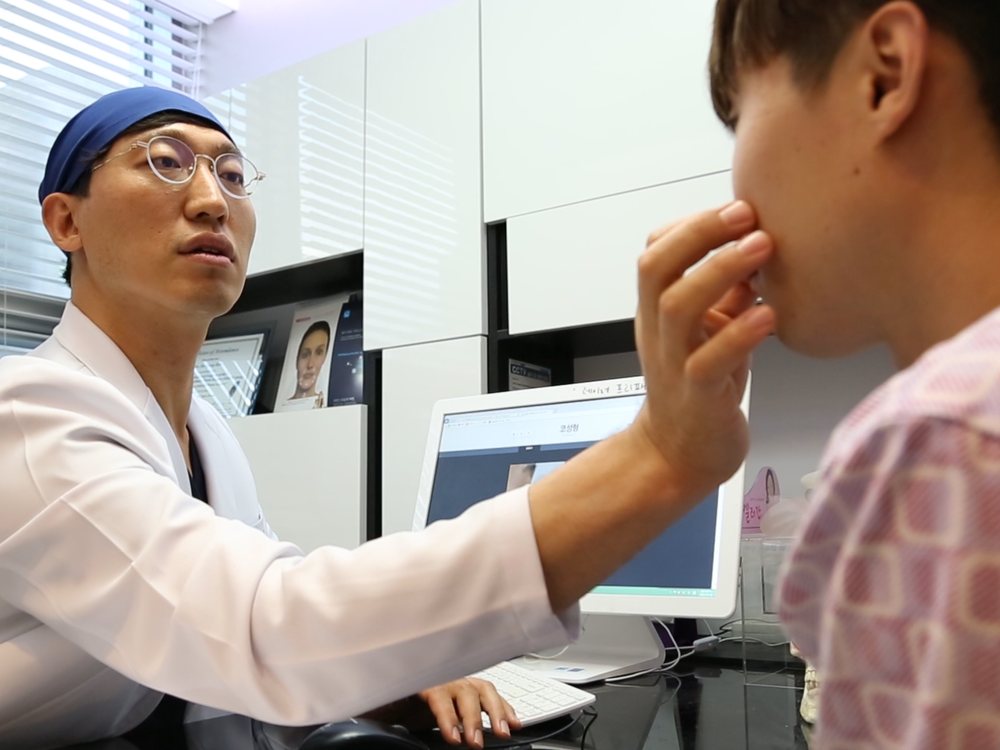
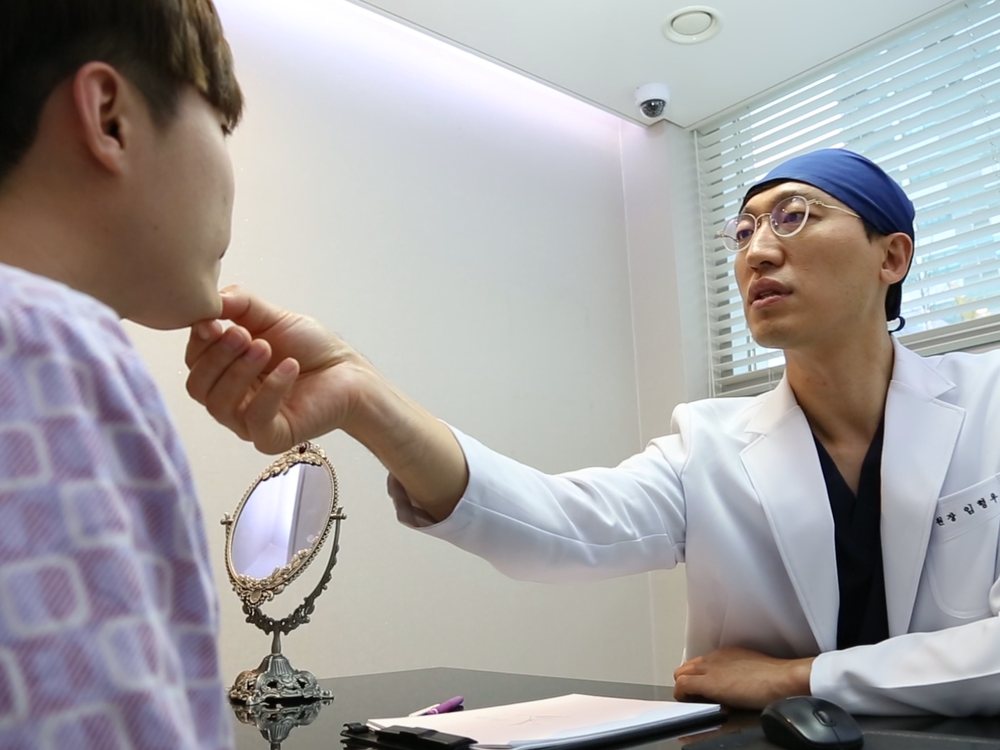
Korean clinics offer several approaches depending on what is causing the nose to hang. Your surgeon will examine your nose structure before recommending a method. Beyond tip and columella work, many surgeons also address the bridge as part of a comprehensive approach—for detailed information on how bridge adjustments complement hanging nose correction, you can learn more about bridge rhinoplasty seoul techniques.

  • Nasal tip plasty: This targets a drooping or heavy tip by reshaping or reducing the tip cartilages. It is ideal for people whose tip points downward.
  • Columella correction: The columella is raised when it hangs too low below the nostrils. Surgeons trim or reposition tissue to bring it to the right height.
  • Combined tip and bridge correction: Some patients need both the tip lifted and the bridge adjusted at the same time for full facial harmony.
  • Revision hanging nose surgery: For patients who had a previous rhinoplasty elsewhere and are unhappy with a still-drooping result, Korean surgeons offer correction using rib cartilage or ear cartilage grafts.

Why Choose Korea for Hanging Nose Correction?

  • Specialist surgeons: Korea has rhinoplasty surgeons who focus almost entirely on nose surgery, giving them a high level of skill.
  • Advanced techniques: Korean clinics use modern cartilage sculpting methods that create natural-looking results with minimal scarring.
  • High safety standards: Reputable Seoul clinics follow strict hygiene and anesthesia protocols to keep patients safe.
  • Competitive pricing: High-quality surgery in Korea costs significantly less than in the US, UK, or Australia.
  • Medical tourism support: Many clinics offer translation services, airport pickup, and recovery accommodation to make the trip easy for international patients. Korea’s strong reputation for cosmetic procedures extends across multiple specialties—if you’re considering multiple procedures during your visit, resources like our eyelid korea guide can help you explore complementary treatments.

Cost of Hanging Nose Correction in Korea

Prices vary based on the complexity of the surgery and the techniques used. Below are general price ranges you can expect. For a comprehensive breakdown of how Korean cosmetic surgery pricing compares across different procedures and clinics, the korea health industry development institute cosmetic surgery cost rhinoplasty procedure resource provides detailed cost analysis and market data.

  • Nasal tip plasty only: ₩1,500,000 – ₩2,500,000 (approximately $1,100 – $1,900 USD)
  • Columella correction: ₩1,800,000 – ₩3,000,000 (approximately $1,350 – $2,250 USD)
  • Full hanging nose correction (tip + columella): ₩3,000,000 – ₩5,000,000 (approximately $2,250 – $3,750 USD)
  • Revision rhinoplasty for hanging nose: ₩5,000,000 – ₩9,000,000 (approximately $3,750 – $6,750 USD)

These estimates do not include consultation fees, anesthesia, or post-op care products. Always request a detailed quote during your consultation.

What to Expect During and After

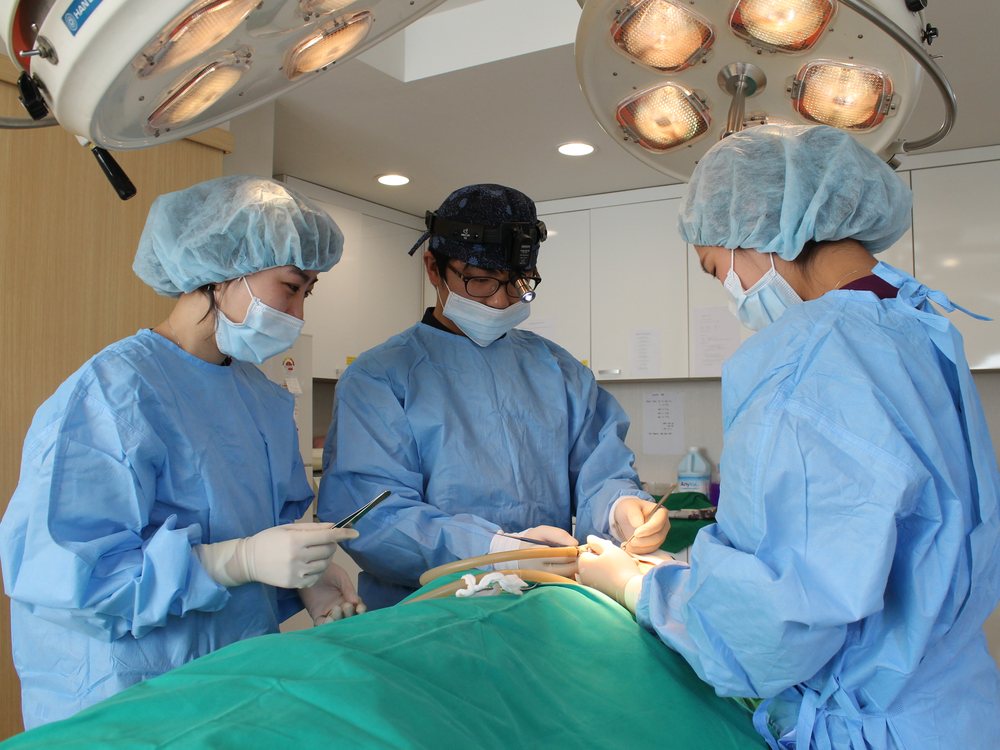
Hanging nose correction is usually done under local anesthesia with sedation or general anesthesia. The procedure takes one to two hours. Most surgeons use a closed or open rhinoplasty korea in korea approach depending on how much work is needed. After surgery, you will wear a nasal splint for about one week. Swelling and bruising are normal for the first two weeks. Most patients can return to light activity within seven to ten days. Strenuous exercise should be avoided for four to six weeks.

Follow-up and Results

You will have a follow-up appointment about one week after surgery to remove the splint and check healing. Swelling continues to reduce over three to six months. The final shape of your nose becomes clear around the six-month mark, though subtle refinement can continue for up to a year. Results from surgical hanging nose correction are permanent. Many clinics schedule a virtual follow-up for international patients once they return home.

Conclusion

Hanging nose correction in Korea is a reliable, affordable option for anyone bothered by a drooping nasal tip or low columella. Korean surgeons bring precision and artistry to nose reshaping, and the cost is a fraction of what you would pay in Western countries. With strong medical tourism support systems in Seoul, the process is smoother than you might expect.

Ready to learn more? Contact us on WhatsApp for a free consultation. Share your photos and a brief description of your concerns, and we will connect you with a qualified Korean rhinoplasty specialist who can guide you through your options and next steps.